
Seasonal Trends in Box Truck Dispatching: What to Expect


In the world of logistics, understanding seasonal trends in box truck dispatching can make a significant difference in optimizing operations. Throughout the year, various factors influence the demand and supply dynamics of box truck services. By anticipating these changes, businesses can better prepare for the fluctuations and capitalize on opportunities.

Winter Challenges and Opportunities
Winter often brings a unique set of challenges for box truck dispatching. Snowy and icy road conditions can lead to delays, requiring dispatchers to plan more carefully and allow for extra travel time. However, this season also presents opportunities, particularly with the increase in e-commerce and holiday deliveries. Businesses that adapt to these conditions can gain a competitive edge by ensuring timely deliveries despite the harsh weather.
To navigate winter effectively, companies might consider investing in all-terrain tires and equipping their fleet with GPS tracking systems. These tools can help manage routes more efficiently and provide real-time updates to customers, enhancing overall service quality.
Springtime Surge in Activity
As winter fades, spring ushers in a surge of activity in the dispatching industry. With improved weather conditions, construction projects and agricultural activities increase, leading to higher demand for box truck services. Dispatchers should anticipate this rise and ensure their fleet is ready to handle the additional workload.
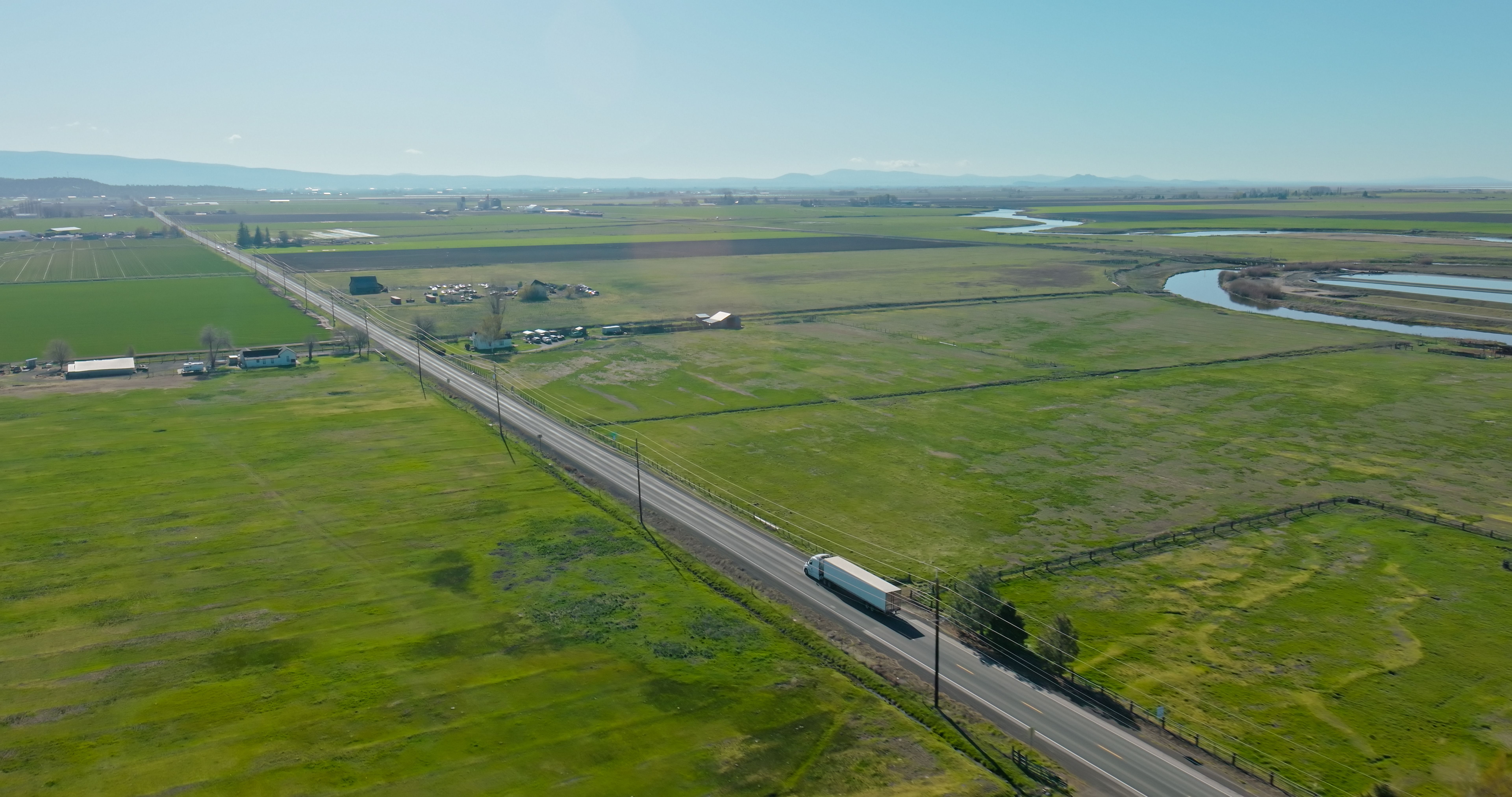
Spring is an ideal time for maintenance checks and fleet upgrades. By ensuring that all vehicles are in top condition, companies can minimize downtime and maximize efficiency during this busy period.
Summer Peak Periods
Summer is often the peak period for box truck dispatching. The warmer months bring a variety of events, including festivals, fairs, and outdoor markets, all requiring transportation services. Additionally, the tourism industry booms during this time, further increasing demand for deliveries and goods transportation.
Dispatchers should be ready to scale operations and potentially hire temporary drivers to meet the increased demand. Utilizing technology such as dispatching software can also streamline operations, making it easier to manage a larger volume of deliveries.
Fall Adjustments and Preparations
As fall arrives, dispatchers must adjust to the shifting demands of the season. The back-to-school rush and the lead-up to the holiday season start to influence delivery schedules. This period requires strategic planning to ensure that resources are aligned with upcoming peaks in demand.
During fall, it is crucial to prepare for the approaching winter by conducting thorough equipment checks and driver training sessions. This proactive approach can prevent last-minute issues and ensure that the fleet is ready for the challenges ahead.
Adapting to Market Trends
Throughout the year, staying informed about market trends is essential for successful dispatching. From economic shifts to consumer behavior changes, various factors can impact demand for box truck services. By keeping a close eye on these trends, dispatchers can make informed decisions about fleet management and resource allocation.

Utilizing data analytics can provide valuable insights into market trends, helping businesses anticipate changes and adjust their strategies accordingly. This proactive approach ensures that companies remain competitive and can meet customer expectations year-round.
Conclusion
Understanding and adapting to seasonal trends in box truck dispatching is crucial for optimizing operations and maximizing profitability. By anticipating changes and preparing accordingly, businesses can navigate the challenges and seize opportunities that each season brings. With careful planning and strategic investments, dispatchers can ensure smooth operations and maintain a competitive edge in the logistics industry.